The impact of global conflict is hitting the automotive sector right where it hurts—and this time, it isn’t just at the gas pump.
Critical Shifts:
-
Looming 40% Supply Drop: A leaked internal memo warns that geopolitical instability in the Middle East could slash availability in key lubricant and specialty fluid categories by up to 40%.
-
Imminent Price Hikes: The supply chain disruption is expected to trigger rapid, unpredictable wholesale and retail price increases for passenger car motor oils (PCMO) and heavy-duty diesel oils.
-
The Liability Risk of Substitution: The memo instructs retail staff to suggest alternative oil viscosities (such as substituting for rare 0W-16 weights). For independent dealers, following this practice poses a massive liability risk for engine damage and voided warranties.
-
Panic Buying Threat: Online exposure of the leak across forums and social media is highly likely to trigger consumer panic buying, rapidly depleting local parts store inventories that independent shops rely on for ad-hoc sourcing.
-
Service Margin Squeeze: Escalating fluid costs will directly threaten dealership fixed-ops profitability, especially for pre-paid maintenance plans or complimentary service contracts that cannot easily absorb sudden price spikes.
___________________________________
A series of leaked internal corporate documents, manufacturer bulletins, and urgent industry warnings indicate that the auto aftermarket is quietly bracing for "the largest supply shortage of lubricating fluids in modern American history."
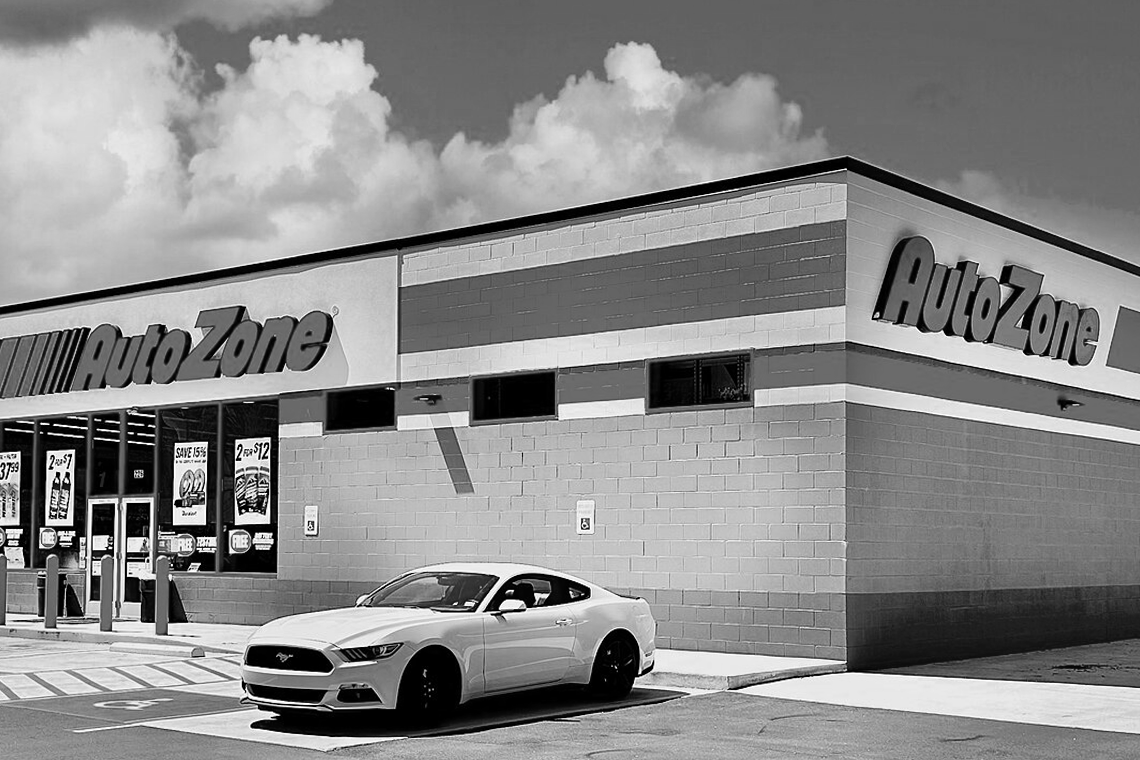
The story broke when Carscoops reported on an alleged leaked internal memo originating from AutoZone’s Southeast region. The memo warns regional managers of an impending supply crisis that could slash availability in key lubricant categories by as much as 40%..
For auto dealers and fixed-operations managers, this isn't just retail gossip. It is an early warning sign of a potential severe supply chain disruptions that will directly impact dealer reconditioning costs, service bays, inventory turn times, and bottom-line profitability.
The Macro Picture: Why the Supply Chain is Snapping
The root cause of the looming lubricant crunch is a direct consequence of the ongoing Iran war and the effective closure of the Strait of Hormuz.
Modern synthetic motor oils—the lifeblood of late-model inventory—rely heavily on a highly refined petroleum feedstock known as Group III base oil. This single ingredient comprises up to 98% of a single quart of synthetic oil. The Independent Lubricant Manufacturers Association (ILMA) issued an urgent bulletin revealing the depth of the crisis:
-
The Gulf Monopoly: Roughly 44% of the U.S. supply of Group III base oil is sourced from Persian Gulf producers whose shipping lanes are now cut off.
-
Infrastructure Casualties: The Pearl GTL facility in Qatar, a top global supplier of Group III base oils, remains offline indefinitely following severe military strikes.
-
The Looming Deadline: The ILMA explicitly warns that the U.S. is on track to entirely exhaust its domestic supply of Middle East-origin Group III base oil by June 2026.
-
The Safety Valve is Closed: Manufacturers typically look to South Korean refiners or lower-grade Group II oils as backups. However, South Korea relies on the same blocked shipping lanes, and Group II supplies are currently being entirely diverted to meet critical diesel fuel demand.
"It's a big mess—and it's not going to be resolved quickly. It could take a year or so before we see any real relief," Holly Alfano, CEO of the ILMA, told CNN.
OEM Rationing: Leaked Toyota & Nissan Bulletins
The stress signals are already highly visible at the OEM franchise level. According to leaked correspondence published by The Drive, multiple major automakers have quietly drafted emergency guidelines for their service networks, signaling a massive trickle-down effect for the independent used car market:
Nissan's 45% Allocation Cut
An internal dealer bulletin from Nissan outlined a mandatory allocation cap, slashing shipments of Nissan Genuine Oil (including Mobil and Mobil 1 variants) down to just 55% of prior-year volumes.
Toyota's Viscosity Substitution Guide
Automotive analysts highlighted a leaked Toyota service bulletin addressing an acute shortage of the ultra-thin synthetic oils required for modern hybrid models, such as 0W-8 and 0W-16. The bulletin instructs franchise service departments to implement emergency, temporary viscosity substitutions (e.g., substituting 0W-16 for 0W-8, or 0W-20 for 0W-16) to ease inventory pressure.
The Operational Risk for Independent Used Car Dealerships
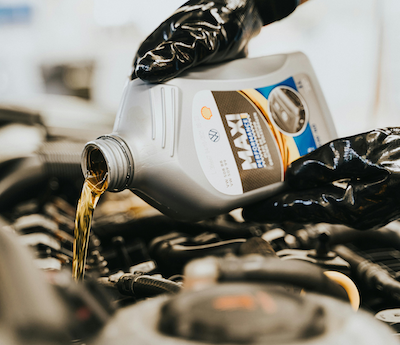 While big-box retail chains are scrambling to train counter staff on how to handle frustrated retail shoppers, independent pre-owned operations face a much more complex set of business challenges.
1. The Recon Cost and Margin Squeeze
Every used vehicle that hits your lot requires an inspection and, almost universally, a fresh oil change before it can be front-line ready. Driven by three unprecedented rounds of wholesale price hikes in less than three months, bulk lubricant costs are skyrocketing. If you sell pre-paid maintenance plans or offer a complimentary first oil change with your vehicles, sudden 30% to 50% premium spikes in fluid costs will directly erode your fixed-ops profitability.
2. The Ultra-Thin Viscosity Liability Trap
With major brands like Toyota and Nissan advising fluid substitutions, independent dealers might be tempted to cut corners to get inventory turned. Following this practice is a massive liability. Late-model inventory—especially popular fuel-efficient models and hybrids like the Camry, Corolla, and Rogue—rely on incredibly sensitive variable valve timing (VVT) and emissions components. Using incorrect weights to save a buck or turn a bay quickly can trigger immediate check engine lights, degrade fuel economy, or cause catastrophic engine wear. This risks voiding warranties and leaves your dealership on the hook for costly post-sale repairs or unwound deals.
3. Bottlenecks in Inventory Turn Times
If your recon department or service department relies on local parts stores (like AutoZone) or local distributors for ad-hoc fluid sourcing, you are vulnerable. Major commercial brands (like Mobil and Shell) have reportedly warned big-box retailers like Costco and Walmart to prepare for bare shelves. As news of the AutoZone leak spreads, retail panic buying will deplete local stocks. If you cannot secure the correct fluid specs, your newly acquired auction inventory will sit un-reconditioned, driving up holding costs and delaying your time-to-market.
With geopolitical gridlock already freezing global supply chains, dealers who act to lock down their oil and fluid stocks can insulate their recon departments from the coming crunch, protect themselves from liability, and keep cars moving to the front line