Critical Shifts:
-
A Tale of Two Markets (New vs. Used Divergence): The EV sector is splitting dramatically. New EV sales dropped sharply by 23.1% year-over-year in April as the market faces softer demand. Conversely, the pre-owned EV market is booming, with used EV sales surging 16.7% and inventory tightening to just a 32 days’ supply.
-
The $20,000 Affordability Premium: Affordability has replaced infrastructure as the primary friction point for new EV buyers. With the repeal of federal tax credits, the staggering gap between a new EV’s average transaction price ($55,211) and a used EV's average listing price ($35,895) is driving budget-conscious shoppers toward pre-owned models or hybrids.
-
Stabilizing Used EV Values & Tesla's Dominance: Stronger demand is actually pushing pre-owned vehicle prices upward, led by gains in used Chevrolets (+7.7%) and Teslas (+6.0%) in April. Tesla continues to completely anchor the secondary market, capturing nearly half of all new sales and leading the used segment with over 16,000 units sold.
-
The Charging Visibility and Housing Bottleneck: While public infrastructure is expanding faster than consumer perception realizes, a major structural barrier remains. EV consideration among apartment and condo dwellers is actively declining because these buyers lack dedicated home-charging access, signaling a steep obstacle for urban dealership markets.
______________________________________
The EV market may be cooling on the new-car side, but for independent car dealers, things are just starting to heat up. While new EV sales slowed in April, used electric vehicles are moving faster, inventory is tightening and more shoppers are entering the market looking for lower-cost alternatives to expensive new EVs.
New data from Cox Automotive and J.D. Power shows the used EV market continuing to gain momentum even as the broader new-vehicle market faces softer demand, affordability concerns and changing consumer expectations around electrification.
According to Cox Automotive’s April EV Market Monitor, used EV sales rose 16.7% year over year to 42,080 units, while used EV days’ supply dropped to just 32 days, more than 31% below year-ago levels. The tighter inventory suggests stronger retail demand and faster dealer turn rates compared with much of the broader used-vehicle market.
“The used EV market remains comparatively well positioned,” Cox Automotive reported. “Improving availability, expanding model-year coverage and faster inventory turnover continue to support steady growth.”
For independent dealers and used-car retailers, the steady flow of off-lease EVs entering the secondary market is creating fresh inventory opportunities at a time when many consumers are being priced out of new EV purchases.
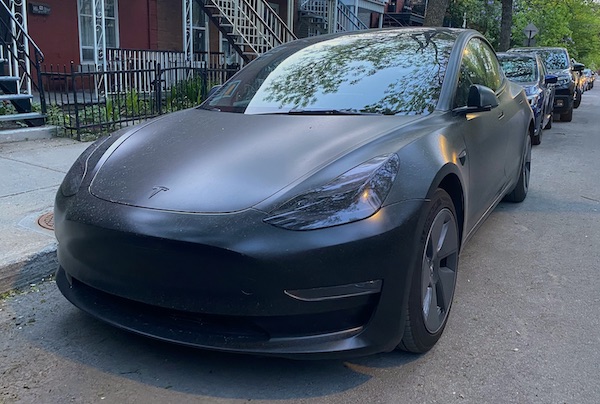
Tesla's Model 3 is the best-selling used EV, with roughly 30% of the pre-owned electric market.
New EV sales totaled an estimated 76,889 units in April, down 23.1% year over year and 6.2% month over month, according to Cox Automotive. EV market share also slipped slightly to 5.6% as overall new-vehicle demand softened.
At the same time, JD Power’s 2026 U.S. Electric Vehicle Consideration Study found that consumer interest in EVs remains surprisingly resilient despite softer sales volumes and the gradual phaseout of federal EV incentives.
In April, 26% of new-vehicle shoppers said they were “very likely” to consider purchasing an EV, up three percentage points from March as rising gas prices renewed attention on fuel economy and operating costs.
“Despite ongoing policy changes, including the repeal of federal tax credits, a growing number of new-vehicle shoppers remain interested in EVs,” said Brent Gruber, Executive Director of EV Practice at J.D Power.
For dealerships, however, the gap between rising EV interest and slowing new EV sales increasingly points to affordability as the market’s biggest pressure point. Cox Automotive reported the average transaction price for a new EV climbed to $55,211 in April, while incentives remained elevated at nearly $7,700 per vehicle. By comparison, used EV listing prices averaged $35,895.
That pricing gap is becoming increasingly important as consumers weigh EV ownership against hybrids and fuel-efficient gasoline vehicles.
“Vehicle prices are currently playing a more significant role in deterring shoppers from EVs,” Gruber said.
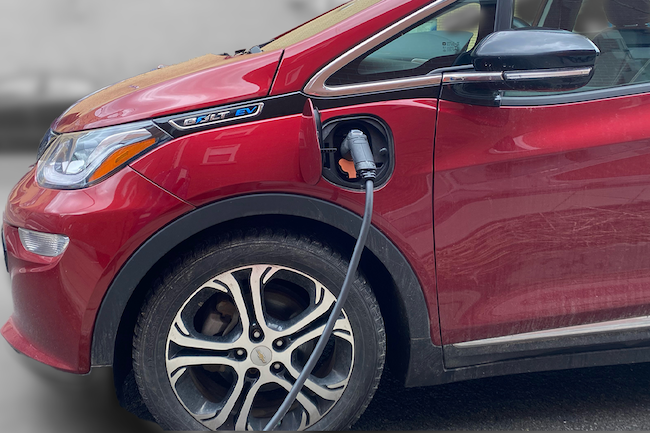
The Chevy Bolt continues to rank in the top 5 used electric and hybrid options with buyers.
Cox Automotive echoed that trend in its April report, noting that many shoppers continue choosing “the path of least resistance” by purchasing hybrids or fuel-efficient gas-powered vehicles rather than fully electric models.
Tesla continued dominating both the new and used EV markets in April, accounting for nearly half of all new EV sales and leading all brands in used EV retail volume with more than 16,000 units sold through traditional dealerships. Hyundai, Chevrolet, Ford and BMW also posted strong used EV volume during the month.
Used EV pricing also showed signs of stabilization and strengthening demand. Used Tesla listing prices climbed 6% month over month in April, while used Chevrolet EV prices rose 7.7%. Hyundai and Ford also posted notable used EV price gains.
Meanwhile, dealers may still face ongoing customer concerns surrounding charging infrastructure, charging times and range anxiety. JD Power found charging station availability remains the top reason shoppers reject EVs, cited by 46% of respondents. Charging time followed closely at 44%, while purchase price ranked third at 42%.
Still, Gruber said consumer perception may not fully reflect the reality of today’s charging network. “The irony is that public chargers are already more common than many people realize,” Gruber said. “This points to a gap in visibility and awareness rather than infrastructure.”
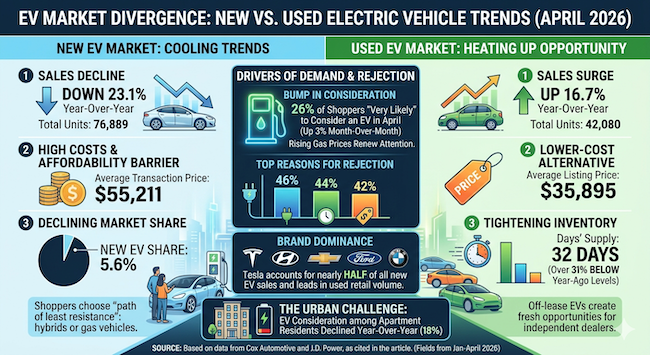
The challenge appears especially significant among apartment and condo residents, where home charging access remains limited. EV consideration among apartment dwellers actually declined year over year, highlighting a major obstacle for urban markets and densely populated regions.
For used-car dealerships, the evolving market increasingly favors disciplined inventory management, strategic EV sourcing and stronger customer education around real-world ownership costs, charging accessibility and everyday driving range.
Cox Automotive said April’s results point to an EV market settling into “a more normalized pace” driven increasingly by affordability, availability and inventory discipline rather than early-adopter enthusiasm. That transition could ultimately create one of the biggest opportunities yet for used-car dealers as more affordable EV inventory enters the market and consumers continue searching for lower-cost alternatives to new vehicles.
With used EV supply improving, inventory turning faster and shopper interest remaining steady, pre-owned electric vehicles could become one of the strongest growth categories for used-car operations through the remainder of 2026.