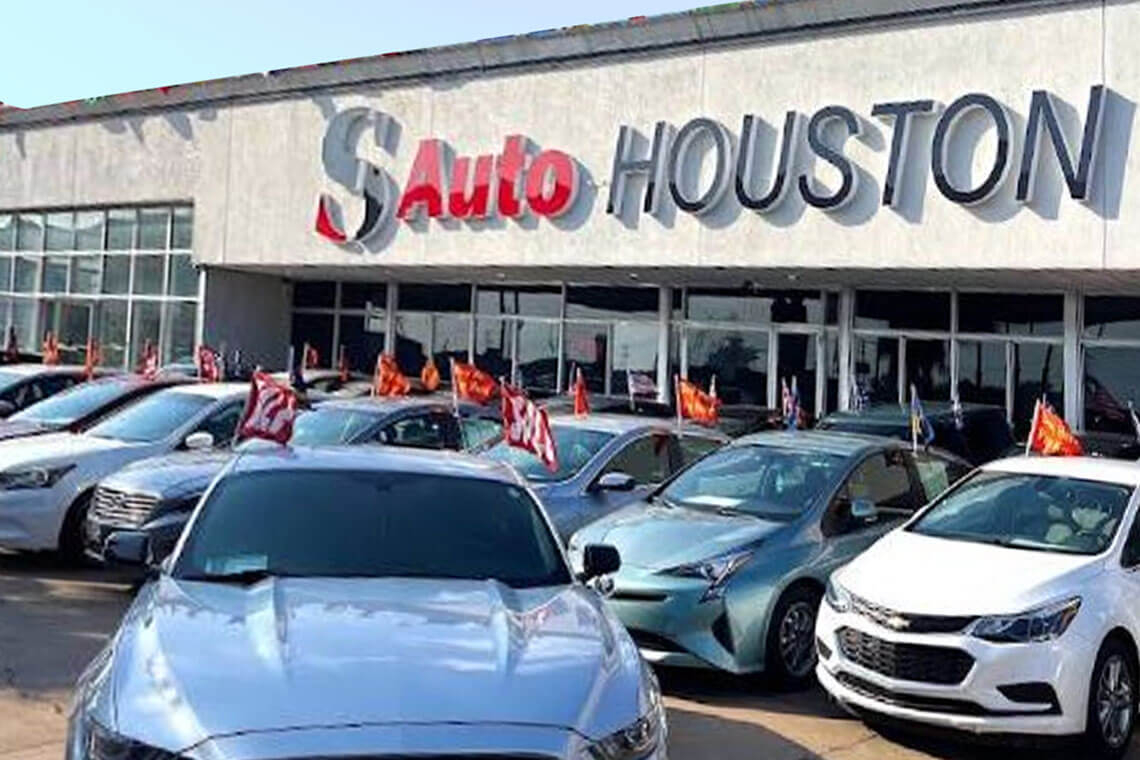
New JD Power data suggests Texas is rapidly closing the gap in retail vehicle sales and has already surpassed California in total consumer dollars spent. If current trends continue, Texas will emerge as the largest automotive market in the United States, marking a fundamental shift in not only where vehicles are purchased but also what they are.
What do these trends mean for the future of the auto industry and automobile culture as we know it? This JD Power Automotive OEM Intelligence Report dives into key insights gathered from JD Power proprietary market data to offer a data-driven perspective on the geographic migration of new-vehicle sales trends.
At the beginning of this year, California maintained a modest lead over Texas in new-vehicle retail share. Within just a few months, that lead has been cut dramatically, falling to just half a percentage point just one quarter into 2026. The speed of this change is notable. While California has held the top position for decades, dating back to its population boom in the mid-20th century, Texas is now within striking distance of overtaking it in total sales volume.
The numbers are plain. California’s retail share of U.S. light-vehicle sales has declined from 12.5% to 11.4% currently while Texas’ share has grown from 9.3% to 10.8%. The gap has narrowed from 3 points to just 0.6 points over the course of less than six months. Based on a 16.3 million retail sales forecast for this year, California is projected to lose about 158,000 sales while Texas will gain some 197,000 versus the 2019 averages.
Even more significant is that Texas has already claimed the top spot in total consumer spending on new vehicles. Texas now leads California in consumer expenditure share: 10.7% vs. 9.9% and the Lone Star state has led the nation in consumers expenditures on new vehicles since 2024.
Beyond segment mix and trends in vehicle preference, there are also some fundamental differences in the ways in which consumers buy new vehicles in California and Texas. Chief among them is a stark difference in leasing volumes. State tax policy in Texas makes it prohibitively expensive to lease a new vehicle in the state. As a result, 69% of new-car buyers in Texas pay cash or arrange outside financing when purchasing, 23 percentage points higher than in California, where leasing is a significant conduit to new-vehicle acquisition. In California, 30% of new-vehicle transactions are leases, the second-most common acquisition method behind cash purchases.
Similarly, loan terms are one-and-a-half months longer, on average, in Texas, and – importantly – auto dealers in Texas earn an average of $2,200 in financing and insurance (F&I) revenue for every vehicle sold, which $400 more per vehicle than dealers in California. This puts a significant focus on vehicle financing as a critical component of the auto sales profitability equation as Texas becomes the dominant automotive market in the U.S.