Critical Shifts:
-
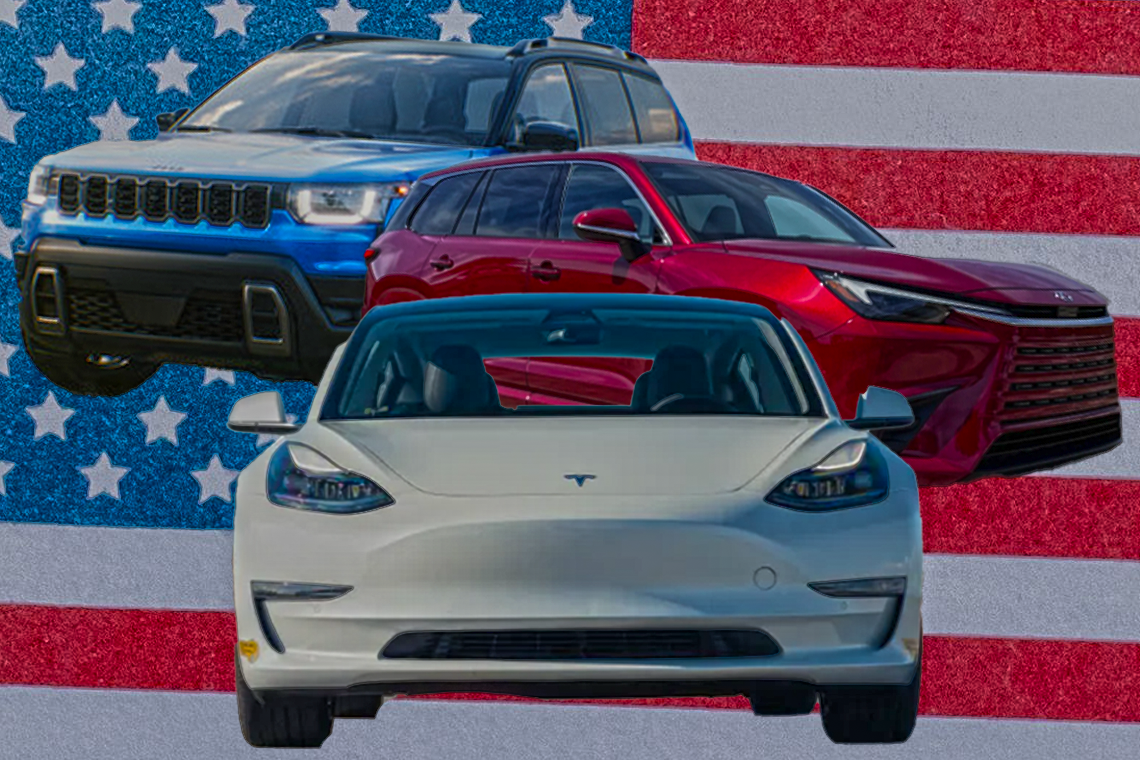
Cars.com's 2026 American-Made Index ranked 86 vehicles, down from 99 last year, reflecting ongoing shifts in vehicle production and model availability
-
Tesla's Model 3 retained the top spot, while discontinued models such as the Tesla Model S, Model X, and Volkswagen ID.4 contributed to a smaller field of qualifying vehicles.
-
Domestic parts content continues to rise among top-ranked vehicles, with the Top 10 averaging 70% U.S. and Canadian content for the second consecutive year.
- The Jeep Grand Cherokee and Lexus TX posted some of the biggest ranking gains thanks to increased U.S.-based parts, engine, and transmission production.
_______________________________________________
As Cars.com unveils its 2026 American-Made Index, used-car dealers may find more than a list of patriotic nameplates. The annual ranking offers insight into broader industry trends, from changing EV production plans to growing domestic manufacturing efforts. Those developments could play a role in future used-vehicle availability, resale values, and the inventory decisions dealers make over the next several years.
Tesla Retains Top Spot as Industry Adjusts
 Tesla’s Model 3 once again claimed the top position in the 2026 American-Made Index, reinforcing the brand’s influence on both new and used vehicle markets. However, the broader rankings reveal an automotive sector undergoing significant change as automakers adjust production strategies, discontinue certain EV models, and increase domestic sourcing efforts.
For independent car dealers, these developments may influence future trade-in volumes, certified pre-owned availability, and long-term resale values of vehicles with strong American manufacturing credentials.
Fewer Eligible Vehicles Reflect Market Shifts
Cars.com analyzed 379 model-year 2026 vehicles, with only 86 qualifying for this year's rankings. That's down significantly from 99 qualifying vehicles in 2025.
Several factors contributed to the decline. Notably, multiple electric vehicles that previously ranked highly have been discontinued. Tesla's Model S and Model X are being phased out, while Volkswagen's U.S.-built ID.4 has been temporarily discontinued for 2026.
For dealers, shrinking production volumes and discontinued nameplates can create unique opportunities. Vehicles no longer available new often see increased consumer interest in the used market, particularly if replacement models are limited or delayed.
EV Challenges Continue to Influence Consumer Demand
The report also highlights ongoing challenges for electric vehicles despite fuel-cost concerns remaining a priority for consumers.
According to Cars.com survey data, many buyers remain focused on overall affordability rather than fuel savings alone. With average new vehicle transaction prices exceeding $50,000, several EVs continue to struggle with mainstream adoption.
This trend may benefit dealers as budget-conscious consumers increasingly turn to late-model pre-owned vehicles rather than expensive new EVs.
Domestic Parts Content Rising Across Key Models
One of the most notable findings for dealers is the increase in domestic parts sourcing among many top-ranked vehicles.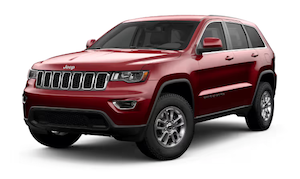
The average domestic parts content among the Top 10 vehicles remained at 70% for the second consecutive year — the highest level recorded since Cars.com updated its methodology in 2020.
Several vehicles made substantial gains in the rankings due to increased U.S. and Canadian parts content, including:
- Jeep Grand Cherokee, which climbed 66 positions after increasing domestic parts content by 14%.
- Lexus TX 350, which rose 34 spots after shifting engine and transmission production entirely to U.S. facilities.
For dealerships, vehicles with strong domestic manufacturing ties often resonate with buyers seeking American-made products and may support stronger local-market demand.
Why American-Made Rankings Matter to Used-Car Dealers
Although the American-Made Index evaluates new vehicles, the rankings can serve as an early indicator of future used-car market trends.
Trends to keep an eye on:
- Future trade-in and lease-return availability.
- Consumer demand for American-built vehicles.
- Potential resale value advantages for highly ranked models.
- Regional marketing opportunities centered around domestic manufacturing.
- Inventory acquisition strategies for popular American-made vehicles entering the used market in coming years.
As automakers continue reshoring production and adjusting supply chains, the composition of future used-vehicle inventory is likely to change as well.
Used-Car Industry Takeaway
While only 86 vehicles made the 2026 American-Made Index, the report provides important signals for independent car dealers planning future inventory strategies. Increased domestic manufacturing, EV production shifts, and changing consumer affordability concerns are all likely to shape the next generation of used vehicle demand.
For dealers, keeping an eye on highly ranked American-made models such as the Tesla Model 3, Jeep Grand Cherokee, and Lexus TX could help identify vehicles with strong future market appeal as they enter the pre-owned pipeline. As supply chains continue to evolve and manufacturers adjust production priorities, American-made credentials may become an increasingly important factor in both retail demand and vehicle valuation.
________________________________________
How Cars.com Determines Its Rankings
The American-Made Index uses five primary factors:
- Final assembly location.
- Percentage of U.S. and Canadian parts content.
- Country of origin for engines.
- Country of origin for transmissions.
- U.S. manufacturing workforce contribution.
Vehicles are scored on a 100-point scale and must meet strict eligibility requirements, including minimum sales thresholds and sufficient manufacturing transparency.
The study relies on data from the National Highway Traffic Safety Administration (NHTSA), automakers, dealership audits, industry records, and analysis of more than 176,000 vehicles in Cars.com inventory.